Where Stinging Insects Commonly Build Nests Around Buildings
If you're wondering where stinging insects commonly build nests around buildings, local service providers can identify these areas and safely remove or treat the nests to prevent infestations.
Understanding where stinging insects commonly build nests around buildings can be essential for property owners aiming to prevent unwanted infestations and potential stings. These insects often choose sheltered, undisturbed areas such as eaves, soffits, wall voids, and beneath decks or porches. Recognizing these common nesting spots helps in identifying early signs of activity and taking proactive steps to address the issue. Local contractors who specialize in stinging insect control are well-versed in these typical nesting locations and can provide tailored solutions to keep outdoor spaces safe and insect-free.
Exploring this topic is especially practical for those managing residential or commercial properties, as nests in or around buildings can pose safety concerns and disrupt daily activities. Property owners who understand the common nesting sites can better collaborate with local service providers to implement effective removal and prevention strategies. Connecting with experienced professionals ensures that nests are handled safely and efficiently, reducing the risk of stings and property damage. Keep reading to learn more about where these insects tend to build nests and how local experts can assist in managing them effectively.
- Wall Nests - homeowners noticing stinging insects around exterior walls may need local contractors to remove and prevent nests built in wall cavities or crevices.
- Underground Nests - if ground-dwelling stinging insects are creating nests near building foundations, local service providers can safely handle excavation and nest removal.
- Eaves and Roof Overhangs - nests forming under eaves or roof overhangs often require expert removal to prevent insect activity around entry points.
- Gutter and Soffit Areas - stinging insects building nests in gutters or soffits can be addressed by local pros experienced in nest removal and building protection.
- Porch and Deck Structures - nests around porch posts or deck supports can be safely removed by local contractors to reduce insect presence around outdoor living spaces.
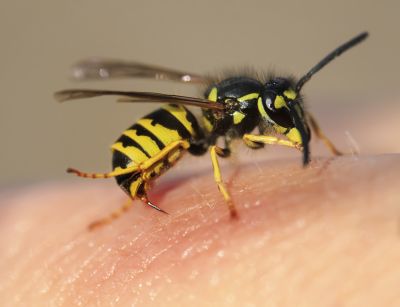
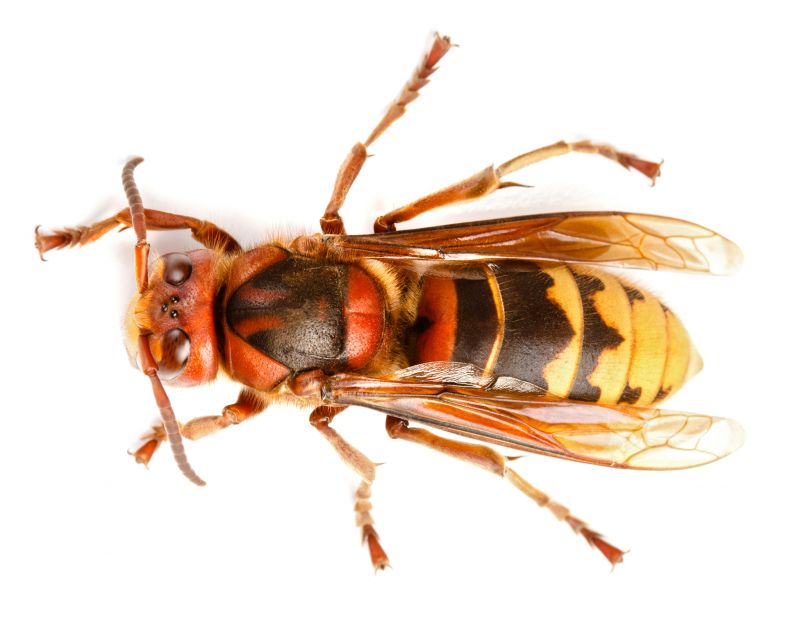

Understanding where stinging insects commonly build nests around buildings is an important step for homeowners dealing with pest concerns or planning preventative measures. When searching for this topic, many people are looking to identify specific areas around their property that are attractive to insects like wasps, hornets, or yellowjackets. These insects tend to establish nests in locations that provide shelter, protection, and easy access to food sources. Recognizing these common nesting sites helps homeowners determine whether a nest might be hidden or visible, and whether professional removal or prevention services are needed to address potential health risks or property damage.
Stinging insects often choose sheltered, undisturbed spots around buildings for nesting. Typical locations include eaves, soffits, and roof overhangs where they can build nests out of sight from ground level. They may also select wall voids, gaps around windows and doors, or beneath decks and porches. In some cases, they establish nests inside attic spaces or within wall cavities, especially if they find entry points that are difficult to notice. These areas provide the insects with protection from weather and predators, making them ideal for sustained colony growth. Homeowners who notice increased insect activity near these spots should consider consulting local service providers to evaluate and address the situation.
Properties that are most likely to attract stinging insect nests include those with accessible eaves, open attics, or overgrown landscaping that provides cover. Buildings with gaps or cracks in siding, fascia boards, or foundation walls also increase the likelihood of nests forming in concealed locations. Residential homes with decks, sheds, or garages are common nesting sites, especially if these structures have sheltered or hard-to-reach areas. Commercial properties, such as warehouses or restaurants with loading docks and outdoor storage, can also be attractive to stinging insects seeking nesting sites near food sources or sheltered corners. Recognizing these property types helps homeowners and property managers understand where to focus inspection efforts and when to seek professional assistance.
Local pros who specialize in stinging insect control are equipped to identify the most common nesting sites around buildings and safely remove or treat nests. They understand which areas are most attractive to these insects and how to access hidden or hard-to-reach locations. Whether nests are found under eaves, inside wall voids, or beneath decks, these service providers can evaluate the situation and recommend appropriate removal or prevention strategies. Addressing nests early can reduce the risk of stings and prevent colonies from expanding into more problematic areas. Connecting with experienced local contractors ensures that the job is handled efficiently and safely, helping homeowners protect their property and wellbeing from unwanted stinging insect activity.
Wildlife Exclusion Projects - These projects involve identifying and sealing entry points to prevent animals and insects from nesting around buildings, similar to controlling stinging insect nests.
Pest Prevention Planning - Planning strategies to deter insects from building nests near structures requires similar assessment skills used in stinging insect nest prevention around buildings.
Building Inspection Services - Inspectors evaluate structural vulnerabilities that may attract insects, aligning with the expertise needed to identify common nesting sites for stinging insects.
Bird and Rodent Proofing - Installing barriers and deterrents to keep pests away involves planning and tools comparable to those used in managing insect nests around buildings.
Nest Removal and Habitat Clearing - Removing unwanted nests from various structures requires similar techniques and safety considerations as stinging insect nest removal services.
Structural Repair and Sealing - Repairing and sealing building openings to prevent pest entry shares skills with sealing nesting sites for stinging insects around buildings.
When comparing local contractors for stinging insect control services, it is important to consider their experience with similar projects, specifically in addressing nests around buildings. A service provider with a proven track record in managing stinging insects in residential settings can be more adept at identifying common nesting sites such as eaves, soffits, wall voids, and other sheltered areas. Asking about previous experience can help ensure that the contractor understands the typical locations where these insects build nests and has practical knowledge of effective removal techniques.
Clear written expectations are essential when evaluating potential service providers. This includes understanding the scope of work, the methods used for nest removal or treatment, and any follow-up procedures. A reputable contractor should be willing to provide detailed descriptions of their process, which can help prevent misunderstandings and ensure that the homeowner’s concerns about nests around buildings are fully addressed. Having these expectations documented also makes it easier to compare different service providers on the level of clarity and transparency they offer.
Reputable references and good communication are key factors in choosing the right local contractor. References from past clients can offer insights into the contractor’s reliability, professionalism, and effectiveness in handling stinging insect nests. Additionally, a service provider who communicates clearly and promptly can help answer questions, explain treatment options, and coordinate the work smoothly. These qualities contribute to a positive experience and increase confidence that the contractor understands where stinging insects commonly build nests around buildings and can safely and effectively manage the problem.
Property owners often search for where stinging insects commonly build nests around buildings when they are planning practical projects around their homes and businesses. Local pros provide Stinging Insect Control services for everyday jobs and straightforward project options.
Many property owners notice stinging insects building nests in areas around their buildings that provide shelter and easy access to food sources. Common sites include eaves, soffits, and roof overhangs, where insects can easily hide and establish colonies. Walls, window frames, and door frames are also frequent locations, especially if they offer crevices or sheltered spots. Understanding these typical nesting areas can help property owners identify potential problems early and seek assistance from local contractors experienced in stinging insect control.
When nests are found in these common locations, property owners often consider professional services to safely remove the insects and prevent future nesting. Local service providers can assess the situation, remove existing nests, and implement strategies to reduce the likelihood of new colonies forming nearby. Consulting with experienced contractors ensures that the job is handled effectively, minimizing risks and maintaining a safe environment around the building.
Where do stinging insects typically build nests around buildings? Stinging insects often build nests in sheltered areas such as eaves, soffits, attics, wall voids, and underneath porches or decks around buildings. Local contractors can identify these common nesting spots and safely remove or treat them.
Are there specific areas around buildings where nests are more likely to form? Nests are most commonly found in places with access to food and water, including gutters, window frames, and around vents. Service providers can inspect these areas to locate and address nests before they become a problem.
How can local pros help with nests built in hard-to-reach spots? Experienced stinging insect control specialists have the tools and expertise to access difficult areas, such as wall cavities or roof eaves, to effectively remove nests and prevent future infestations around buildings.
What signs indicate a stinging insect nest might be around a building? Signs include visible insect activity, buzzing sounds, or nests appearing as papery or waxy structures near eaves, soffits, or in hidden corners. Local service providers can confirm and safely eliminate these nests.
Can nests be built in areas where people frequently walk or gather? Yes, stinging insects may choose locations like door frames, window sills, or pathways. Professional pest control services can handle nests in these areas to reduce the risk of stings and ensure safety around buildings.
Identify common nesting spots - Property owners can observe areas around buildings where stinging insects tend to build nests and share this information with local contractors for targeted control.
Inspect sheltered areas - Checking under eaves, porch overhangs, and around vents can help pinpoint potential nesting sites that local pros can treat effectively.
Monitor shaded and hidden locations - Recognizing shaded spots like behind shutters or near gutters allows property owners to work with service providers to remove nests safely.
Maintain clean surroundings - Keeping areas free of debris and food sources reduces attractants, making it easier for local contractors to manage existing nests and prevent new ones.
If you are thinking about where stinging insects commonly build nests around buildings for a property, this guide is meant to help you understand this topic, the typical project types, and how different options might fit your plans.
When you are ready, you can use the quote form on this page to share a few details about your project. From there, local pros can review the basics and follow up with options that match what you have in mind.